
The Universal Goods Protocol Is Live on LUKSO
The Universal Goods Protocol is live on LUKSO. The EU's ESPR now mandates a Digital Product Passport for almost every physical product, 12.4 billion a year, with no passport meaning no EU market by 2027. Most brands see a compliance cost. We saw a doorway: the moment a product carries a secure digital identity, it becomes a programmable asset.
Recent Dispatches

Inside the Universal Goods Protocol: Enterprise-Validated DPP Infrastructure
Family Labs, FNCE, and LUKSO came together to build and validate enterprise-grade Digital Product Passport infrastructure with one of the world's largest technology service providers. Here's the summary of what was built and why it matters.
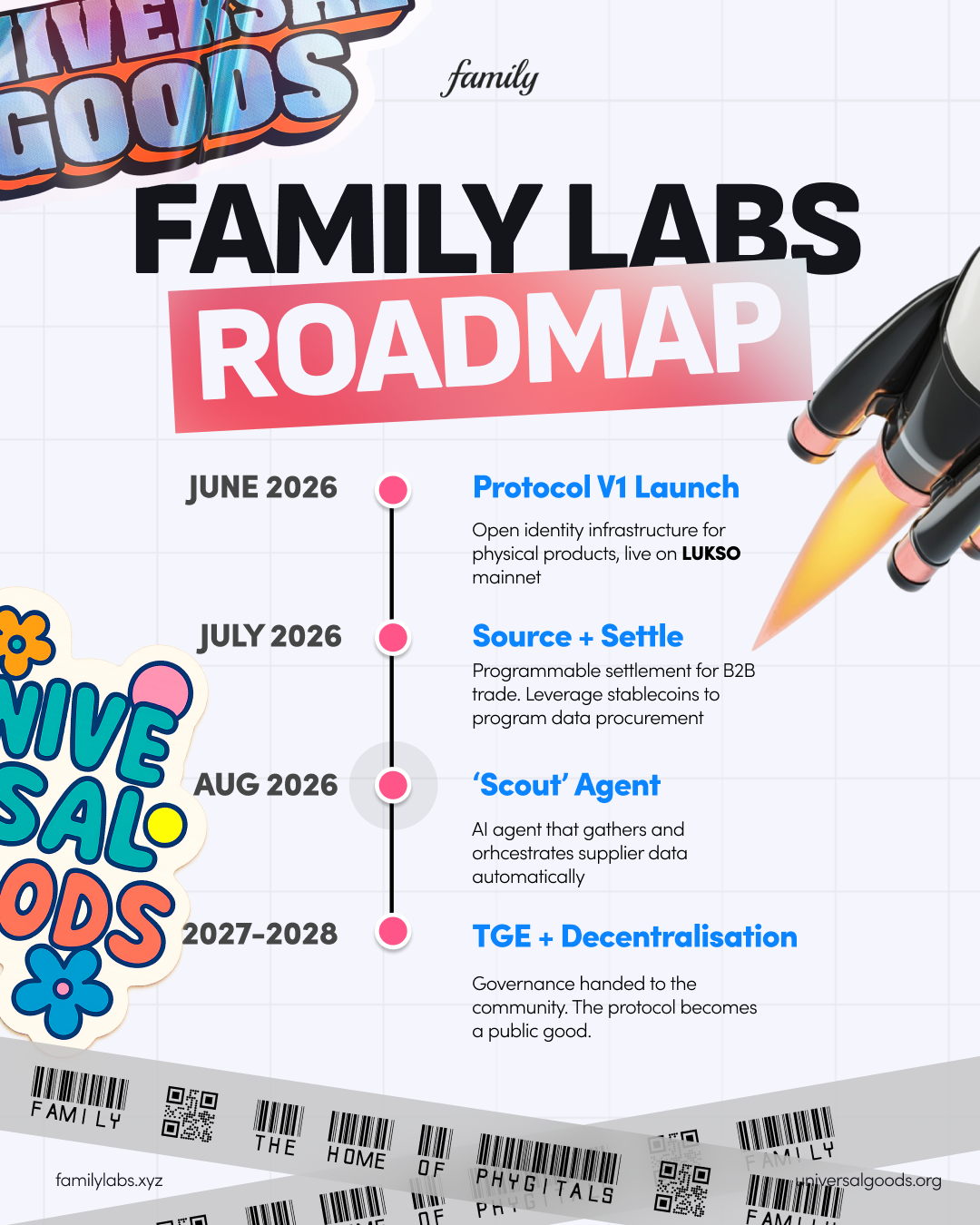
The Universal Goods Protocol Roadmap: From V1 Launch to Decentralisation
Family Labs spent almost 527 days preparing the Universal Goods Protocol for LUKSO mainnet. Here is the roadmap for what comes next: the V1 launch, Source + Settle programmable B2B settlement, the Scout AI supplier agent, and the path to community decentralisation.
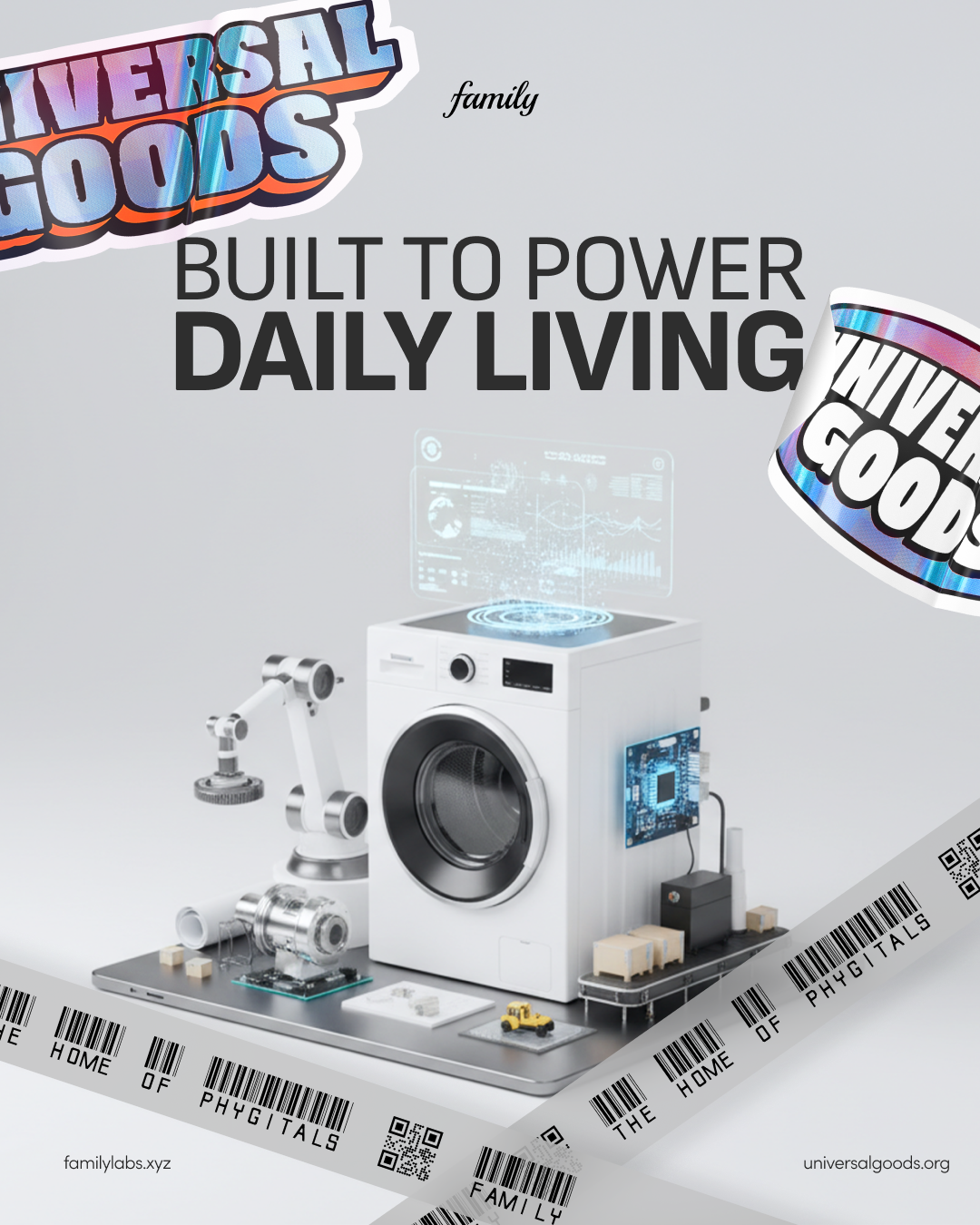
Built to Power Daily Living: Why the Universal Goods Protocol Is Meant to Be Used, Not Understood
The best infrastructure is the kind you never think about. You do not think about SMTP when an email arrives, or the power grid when you do your laundry. The Universal Goods Protocol is built to disappear the same way: a verified identity for every product, present everywhere and noticed nowhere.
We Sell the Outcome, Not the Dashboard: How Scout Automates Digital Product Passport Compliance
Traditional enterprise software sells you a tool and charges per seat. The dashboard is the easy part. The real cost of Digital Product Passport compliance is the labour of gathering, structuring, and orchestrating supplier data. Scout, our AI agent, does that work for you.
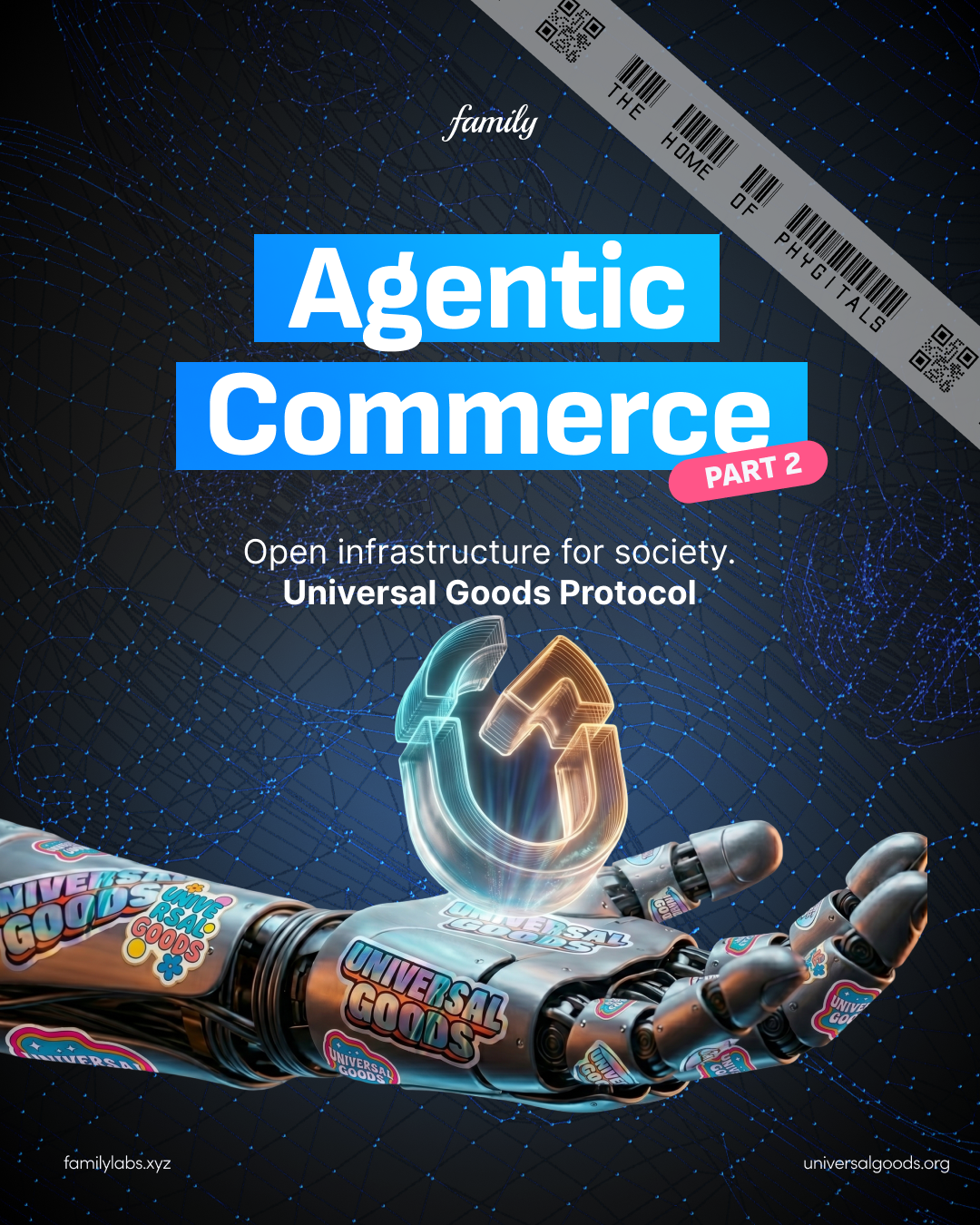
Agentic Commerce, Part 2: The Open Identity Layer Agents Will Trust
A system that records the truth of what billions of people own cannot belong to a single company. The Universal Goods Protocol gives every physical product a verifiable identity on LUKSO, owned by the holder and readable by anyone, including the AI agents that are arriving to verify, own, and transact on physical goods.
Agentic Commerce, Part 1: The Next Buyer Is Not a Person
For thirty years, being findable online meant being findable by people. That era is ending: the next buyer is an agent acting on a person's behalf. But physical products break the agentic-commerce playbook, because the truth about a product is severed from the product itself.
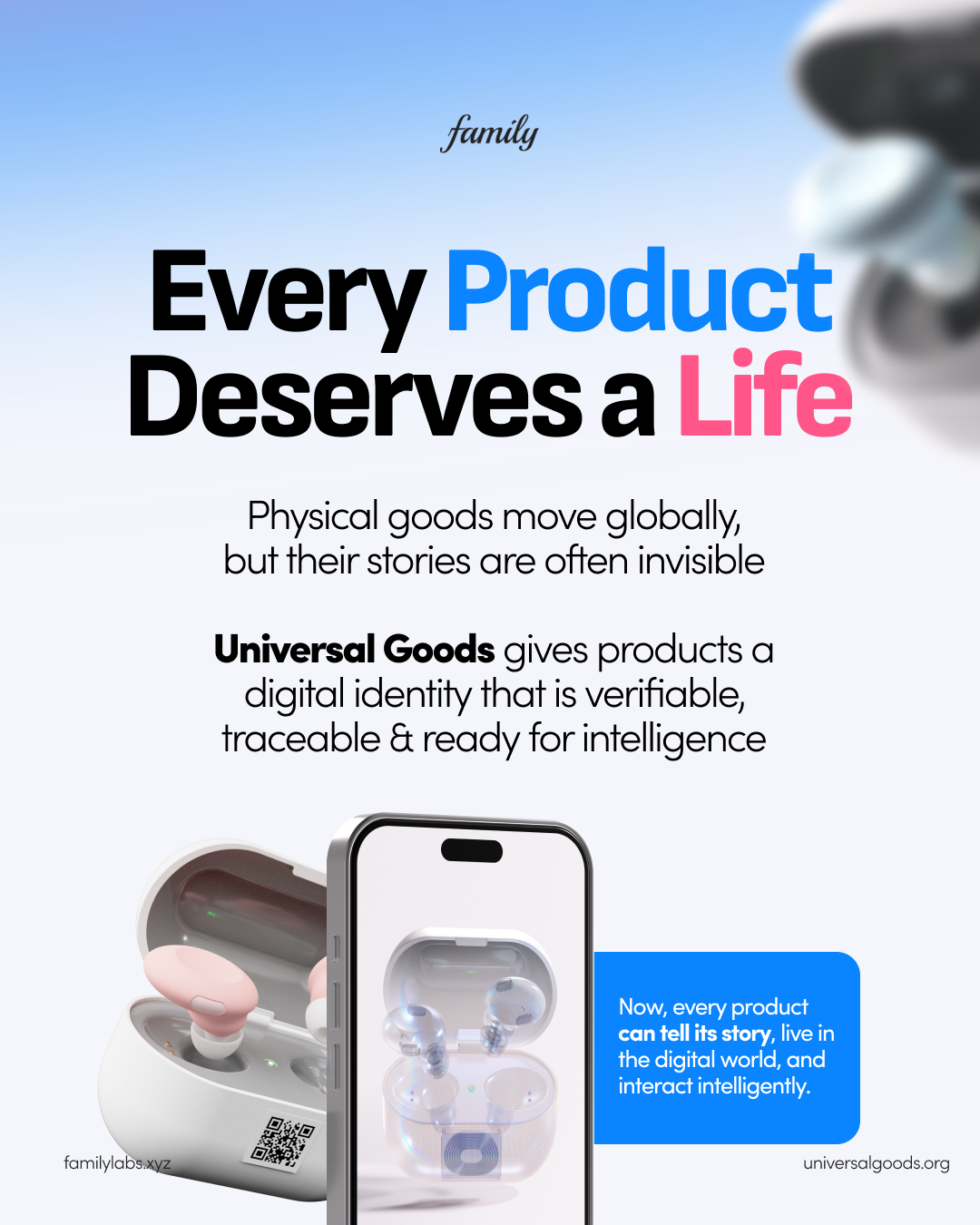
AI Agents Are Blind to Physical Products: The Missing Identity Layer for Agentic Commerce
AI agents are already discovering, comparing, and buying in production, and the financial rails (x402, AP2) are arriving to support them. But agents are blind to physical products: a shoe, a phone, a second-hand jacket have no identity an agent can read. That missing identity layer is why we are building the Universal Goods Protocol.
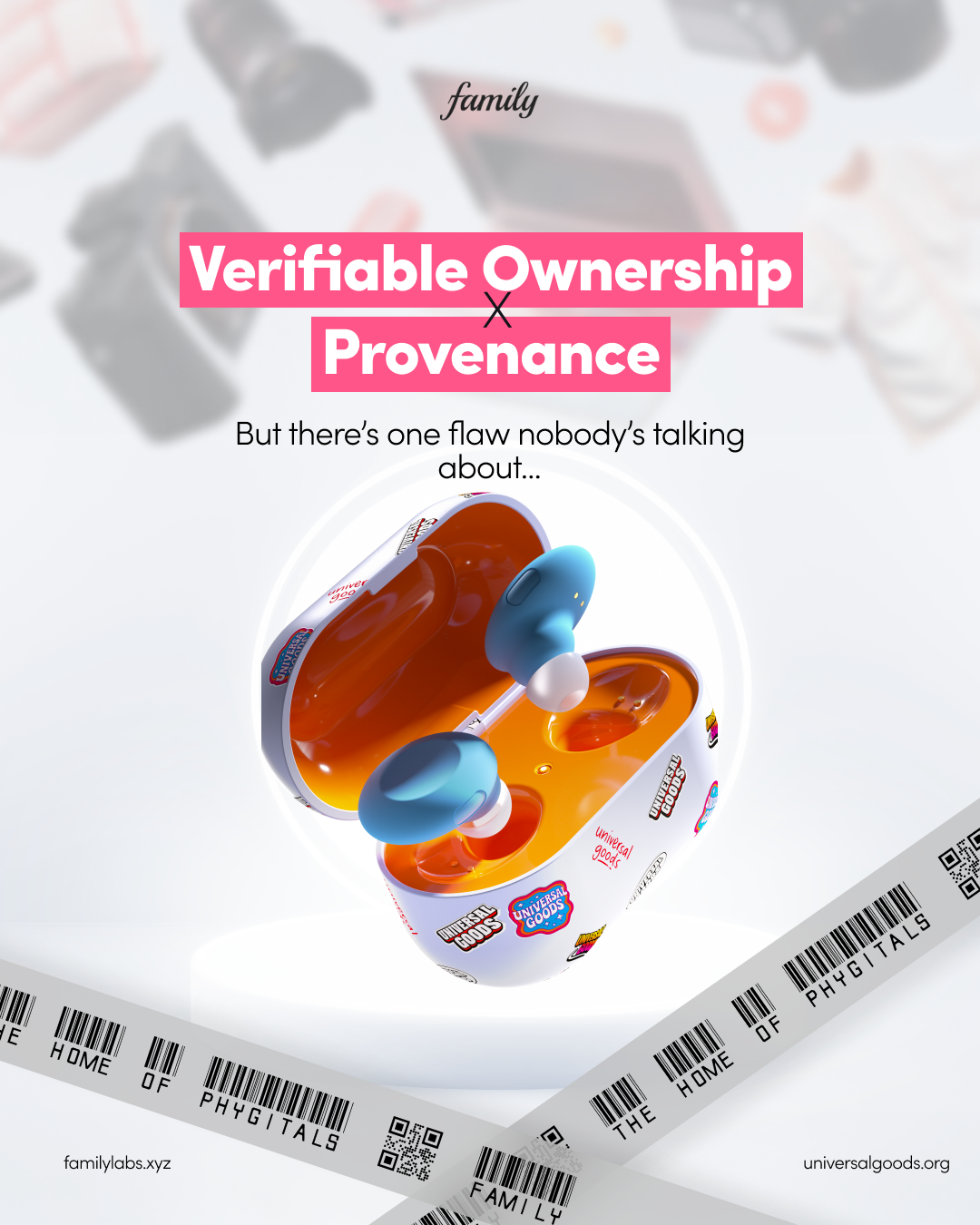
Verifiable Ownership and Provenance: The DPP Data Flaw Nobody Is Talking About
Building on the ERC725 standard lets the Universal Goods Protocol treat trust as infrastructure, a security layer for resale, authenticity, and agentic commerce. But EU Digital Product Passports have a flaw: lifecycle data is taken at face value until a regulator flags it. Verification belongs at the point of entry, established as a public good.
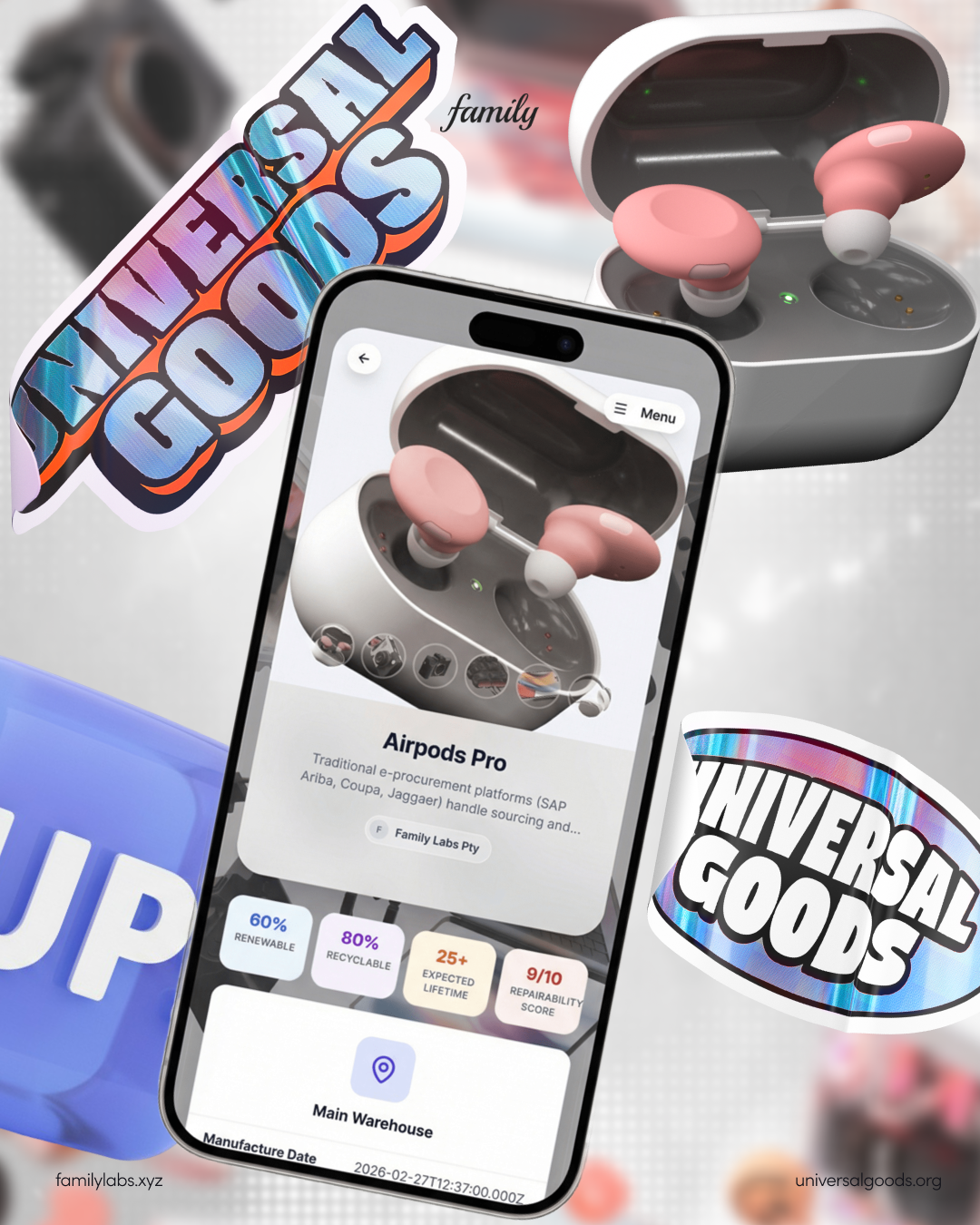
What Is the Universal Goods Protocol? Open Infrastructure for Digital Product Passports
The Universal Goods Protocol is open infrastructure that tokenises physical products into programmable digital assets. Email needed SMTP, the web needed TCP/IP, and physical commerce needs a shared, compliant, open standard for product identity. That identity is a Digital Product Passport, and with the EU's ESPR now in force, it has gone from a hard sell to inevitable.

Your Products Are Being Resold for Billions. You’re Not Making a Cent. That’s About to Change.
The global secondhand market was worth $594 billion in 2025. Your products are in that market right now. How much of that resale revenue flows back to you? Zero. Digital Product Passports are about to fix it.

Most Digital Product Passport Solutions Are Building on Foundations That Will Break. Here’s Why.
The race to build Digital Product Passport solutions is well underway. But most share the same fundamental flaw: they’re closed systems that create dangerous vendor dependencies.

Products Without Verifiable Data Will Be Invisible to AI. That’s Not a Prediction. It’s Already Happening.
Google announced the Universal Commerce Protocol. Mastercard launched Verifiable Intent. The next era of commerce will be navigated by AI agents. Can your products even be found?

The EU’s Digital Product Passport Isn’t a European Problem. It’s a Global Supply Chain Crisis Hiding in Plain Sight.
The hardest part of DPP compliance has nothing to do with Europe. It has everything to do with a factory floor in Bangladesh, a tannery in Pakistan, and an electronics plant in Shenzhen.